

To Buy Revia Online Visit Our Pharmacy ↓

Revia Basics: Oral Naltrexone Explained Simply
I remember the first time I learned about oral naltrexone: a small daily pill with a clear mission. It blocks opioid and alcohol receptors, reducing cravings and the rewarding effects of drinking or using.
Doctors prescribe it after detox to support recovery, and patients often describe feeling less tempted rather than sedated. Regular dosing matters: missing pills reduces protection and may allow return of urges.
Common side effects are mild—nausea, headache, fatigue—and usually fade. Conversations about goals and monitoring help decide if this oral option fits each person's plan well.
Vivitrol Injected: Long‑acting Mechanism and Benefits

Patients often describe the long‑acting injectable as a monthly safety net: once administered, it releases naltrexone steadily from biodegradable microspheres, blocking opioid receptors and dampening alcohol and opioid craving. The narrative of relief comes from predictable blockade without peaks and troughs, which helps people focus on counseling and rebuilding routines.
Compared with oral revia, which requires daily pills and strict adherence, the injectable eliminates the day‑to‑day decision to take medication and reduces missed doses leading to relapse. Clinically, sustained plasma levels translate into more consistent receptor occupancy and fewer lapses tied to forgetfulness or chaotic lives.
This formulation supports treatment engagement by simplifying medication logistics; patients and clinicians report improved retention in some studies. Practical benefits include reduced pill burden and monthly clinic contact, though initiation requires detox and there can be injection‑site soreness. Shared decision‑making determines the best fit.
Comparing Effectiveness for Alcohol and Opioid Dependence
For alcohol use disorder, both oral naltrexone (revia) and monthly injectable naltrexone show similar pharmacologic effects: they blunt reward and reduce heavy drinking and cravings, with randomized trials demonstrating modest reductions in relapse compared with placebo. The injectable’s steady plasma levels and improved adherence often translate into benefits in practice, especially for patients who struggle to take pills. However, responses vary, and combining medication with counseling yields best outcomes.
For opioid dependence, outcomes diverge: naltrexone blocks opioid effects but requires full detoxification before initiation and carries a risk of precipitated withdrawal, making induction challenging. In detoxified patients, extended‑release injectable naltrexone has reduced opioid relapse versus placebo in some studies, but it generally shows lower retention and higher overdose risk after discontinuation than agonist therapies like buprenorphine or methadone. Choosing between formulations should weigh adherence needs, detox readiness, and overdose risk.
Side Effects and Safety: Oral Versus Injectable Differences
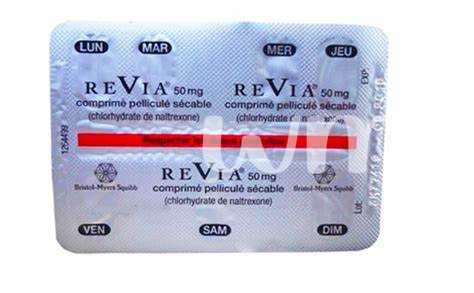
Taking Revia as a pill feels immediate and familiar, while a monthly injection offers a different safety profile. Patients often describe oral dosing as more controllable, whereas injectable treatment shifts risk toward procedure‑related issues like injection‑site reactions.
Systemic adverse effects overlap — nausea, headache, fatigue and occasional liver enzyme elevations — but oral naltrexone has been associated with more gastrointestinal complaints. The injectable’s main safety signals are localized pain, swelling and rare allergic responses; serious systemic events remain uncommon.
Clinicians mitigate risks by confirming opioid abstinence to avoid precipitated withdrawal and monitoring liver tests. Choice between options balances side‑effect profiles with supervision needs: oral pills allow quick stoppage, injections improve adherence but require clinic visits for administration.
Adherence, Convenience, and Real‑world Patient Experience
Many people describe choosing between daily pills and a monthly shot as deciding how much structure they want; some find comfort in routine while others prefer fewer clinic visits. revia users often rely on alarms and support networks to stay consistent, whereas the injectable simplifies dosing but requires appointment coordination. Form Visit Oral Daily Injectable Monthly
Clinicians note that real success hinges on counseling, reminders, and access: patients with steady follow‑up do better regardless of formulation. Insurance, travel, and needle concerns shape choices, and practical barriers sometimes matter more than pharmacology. Shared decision‑making, honest discussion of routines, and local resources often determine whether treatment is sustained and life changes are maintained. Support groups help too.
Cost, Access, and Choosing the Right Option
Price and insurance shape choices: oral tablets tend to be less expensive per dose and are picked up at a pharmacy, while monthly injections have higher upfront charges and clinic administration fees.
Availability matters too. Some rural clinics or coverage plans supply injections readily; others prefer prescribing oral medication due to simplicity and lower logistical burden.
Patient lifestyle and reliability influence the decision. Those who struggle with daily adherence often do better with long‑acting injections; motivated patients may prefer the flexibility of pills.
Talk with clinicians, verify coverage, and decide.