

To Buy Prednisolone Online Visit Our Pharmacy ↓
Recognizing Withdrawal Risks and When to Slow
I remember the first taper I helped oversee; the patient arrived wary and exhausted, fearing symptom return. Clear facts eased their worry: abrupt reductions can trigger withdrawal, fatigue, body aches, and low blood pressure. Education helps patients spot warning signs early.
Risk rises with longer use and higher doses; also in people on multiple steroids or with illnesses that stress the HPA axis. Watch for insidious changes—sleep disruption, appetite loss, dizziness—and communicate them promptly. Those with comorbidities need extra caution.
Slowing is wise when symptoms intensify or return. Small step-backs—pausing reductions or increasing dose modestly—can prevent relapse while allowing gradual adrenal recovery. Coordinate changes with your clinician. Trust your instincts always.
Keep a simple symptom diary, note timing of doses, and plan regular check-ins. Early recognition and measured slowing are the best tools to stay safe and confident during tapering.
| Sign | Immediate action |
|---|---|
| Dizziness, fainting | Pause taper; seek urgent care |
| Progressive fatigue | Contact clinician; consider slower reduction |
Personalized Taper Plans: Partnering with Your Clinician

You and your clinician sketch a plan together, factoring your history, dose and how long you have taken prednisolone. They listen to your goals and fears, then translate medical logic into a realistic timetable that fits your life.
A tailored taper might use smaller decrements, alternate day steps, or plateaus when symptoms flare; blood tests, adrenal checks and co-prescribed supports scheduled. The clinician adjusts pace based on objective markers and how you feel.
Open communication is crucial. Report new fatigue, dizziness or pain promptly so the plan can be slowed or reversed. A shared, flexible approach reduces relapse risk and gives you confidence through recovery. Bring an updated medication list and any questions to visits.
Gradual Dose Reductions: Schedules That Prevent Relapse
She eased into mornings with small changes, remembering that tapering needs patience. Each reduction felt like a chapter closed carefully, not hurried, because the body remembers higher doses and needs time to adapt and heal.
Clinicians advise slow, individualized steps; pharmacists often suggest 10%–25% decreases at intervals. When prednisolone has been used long-term, even modest cuts can trigger symptoms, so practitioners monitor and alter schedules responsively to protect recovery progress.
Practical calendars mark dose changes and symptoms, creating a shared record between patient and clinician. Slower reductions around flares or stressors prevent relapse; flexibility allows temporary pauses or smaller decrements when warning signs emerge too.
Clear checkpoints—dates, symptom checklists, and lab targets—help families anticipate challenges. Combining measured taper steps with supportive therapies reduces relapse risk. Celebrate small victories and keep communication open so adjustments can be timely and safe always.
Managing Symptoms: Stepping up Supportive Therapies Safely
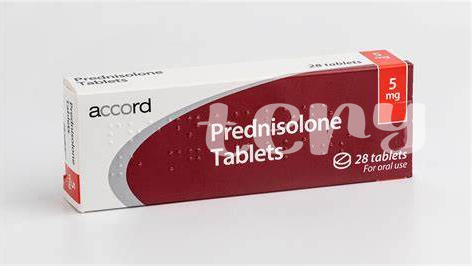
Imagine easing down your prednisolone while a small team of strategies cushions each step: topical creams for localized inflammation, scheduled acetaminophen or NSAIDs for flare pain (after checking with your clinician), and physiotherapy to rebuild strength and function. Titrate adjunctive medications only under medical guidance so symptom control doesn’t mask adrenal insufficiency or trigger dangerous interactions.
Augment these measures with sleep optimization, stress-management techniques, and short-term escalation plans (sick-day rules, brief rescue steroids when prescribed) so you aren’t caught unprepared. Keep a symptom diary and communicate promptly about worsening fatigue, fever, or dizziness—early adjustments often prevent relapse and make tapering safer and more predictable. Coordinate changes with your prescriber and review lab results regularly too.
Monitoring Adrenal Function: Tests, Timing and Warning Signs
As you taper prednisolone, think of your adrenal axis as a factory restarting: pauses reveal whether cortisol production can meet demand. Schedule testing with your clinician — morning serum cortisol and ACTH stimulation tests at dose thresholds — and keep a diary of symptoms such as fatigue, dizziness, nausea or salt craving that often precede biochemical failure.
Recognize warning signs early: severe weakness, postural hypotension or low blood pressure demand urgent review and temporary steroid rescue. Timing matters — test when doses fall below physiologic equivalents or when symptoms intensify — and maintain communication with your team so adjustments are safe and individualized. Consider cortisol rhythm sampling or alternative assays if results are ambiguous.
| Test | When | Warning signs |
|---|---|---|
| Morning serum cortisol | Mornings during taper / dose changes | Low levels, marked fatigue |
| ACTH stimulation | At physiologic-equivalent dose or if failure suspected | Poor cortisol response |
| Electrolytes (Na, K) | If hypotension, GI symptoms or weakness | Hyponatremia, hyperkalemia |
Lifestyle Measures to Strengthen Recovery and Resilience
Small daily habits rebuild strength: gentle walking, restorative sleep routines, and balanced meals with protein and healthy fats support healing. Treat recovery as gradual, celebrate micro-wins, and reduce stress to help the adrenal axis recover.
Mind-body tools matter: slow diaphragmatic breaths, short meditation, and gentle yoga calm the nervous system. Pace activities, schedule rest, and ask for practical help from friends or family to prevent overexertion during tapering and setbacks.
Nutrition and hydration are foundations: regular meals with vegetables, whole grains, and adequate salt when advised support energy. Limit caffeine and alcohol, discuss supplements like vitamin D with your clinician, and avoid crash diets altogether.
Track symptoms, sleep, and mood to spot patterns and share results with your clinician. Reintroduce exercise slowly, prioritize sunlight and sleep hygiene, and seek mental health support early if anxiety or low mood persists regularly.