

To Buy Phenergan Online Visit Our Pharmacy ↓

How Alcohol and Phenergan Amplify Sedation Risks
You reach for a drink to unwind, then take a prescribed antihistamine. At first it feels innocuous, but the combination deepens drowsiness: both agents depress the central nervous system, so the calming effects stack rather than cancel.
Alcohol speeds absorption and can blunt awareness, while the antihistamine blocks histamine receptors and slows neural signaling. Together they reduce alertness more than either alone and can extend the time someone remains impaired.
Consequences range from missed cues and poor coordination to dangerous choices like driving. Older adults, people with lung disease, and anyone on other sedatives face much higher risk; caution or avoidance is wise.
| Effect | Consequence and notes |
|---|---|
| Marked drowsiness and slowed reaction time | Falls, impaired driving, work or school accidents |
| Respiratory slowing or shallow breathing | Breathing difficulty, loss of consciousness, overdose risk |
| Prolonged impairment risk | Longer recovery, delayed safe activities |
Dangerous Respiratory Depression: When Systems Slow down
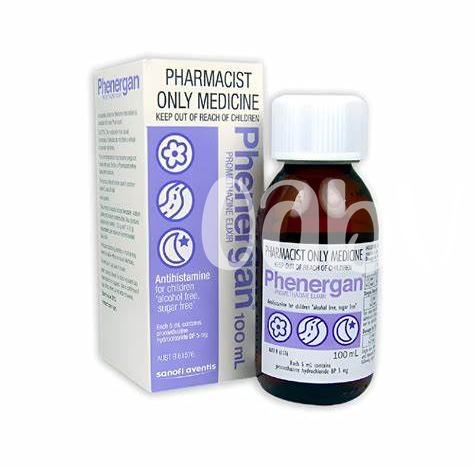
Late night drowsiness can feel harmless until breaths thin. Mixing phenergan with alcohol often deepens sedation, turning gentle sleep into dangerously slow breathing and leaving someone suddenly unable to rouse.
phenergan’s antihistamine actions blunt brainstem signaling, and alcohol adds further suppression. Together they reduce respiratory drive, lower oxygen saturation, and raise carbon dioxide, factors that can quickly precipitate respiratory failure.
Watch for slow, shallow breaths, snoring noises, confusion, or limp unresponsiveness. If breathing is under eight per minute or skin looks bluish, call emergency services immediately, keep them awake, comforted.
Impaired Coordination and Increased Accident Potential
Walking home, what felt like a little buzz can turn treacherous: alcohol combined with phenergan dulls reflexes and slows response times. Fine motor control blurs, balance becomes unreliable, and ordinary actions such as reaching for a doorknob or stepping off a curb demand more concentration than usual.
In vehicles or on ladders, delayed judgment and poor coordination multiply danger. Studies link sedation to slower braking, veering, and misjudging distances; combining substances magnifies those effects, raising the odds of falls, collisions, and workplace injuries.
Precautions are simple but vital: avoid driving, heavy machinery, or risky tasks after taking phenergan with alcohol; wait until effects fully wear off, and let others know if you feel unsteady. If a friend appears confused, stumbling, or unusually drowsy, get them to a safe place and seek medical advice — accidents happen faster than you think.
Hidden Interactions with Other Medications and Substances

Imagine reaching for a pill and unknowingly stacking risks: phenergan doesn’t act alone. It magnifies the sedative effects of opioids, benzodiazepines and sleep aids, and can worsen breathing suppression when combined with alcohol. Anticholinergic drugs add dry mouth, blurred vision and confusion, while medicines that prolong the QT interval or inhibit liver enzymes can alter phenergan levels, making effects stronger or unpredictable.
Doctors must review all prescriptions, over‑the‑counter remedies and herbal supplements because common cold medicines or certain antidepressants can create dangerous synergies. Genetic differences and impaired liver function further change how the body handles drugs. The safest approach is to consult a clinician or pharmacist before combining treatments; interactions can cascade into serious consequences.
Who’s Most Vulnerable: Age, Health, Genetics
Older adults and children often feel stronger sedation from alcohol plus phenergan; smaller body mass, slower metabolism, and brain sensitivity raise risk.
Chronic illnesses—liver, kidney, breathing problems, and heart disease—and polypharmacy magnify danger because metabolism and respiratory reserve are reduced.
Genetic differences in drug enzymes can make some people slow metabolizers, causing prolonged sedation; always review meds and seek medical advice before mixing alcohol with prescription antihistamines.
| Group | Risk |
|---|---|
| Older adults | slower metabolism, polypharmacy |
| Children | low body mass, brain sensitivity |
| Chronic illness | reduced respiratory reserve |
| Genetic variants | slow drug clearance |
Recognizing Overdose Signs and When to Seek Help
In one remembered case a person nodded off after a few drinks and a dose of promethazine, then slipped into confusion and slurred speech. These early signs (extreme drowsiness, disorientation, and difficulty speaking) often precede worse problems.
Breathing changes are the most alarming: slow, shallow respirations, gasping, or long pauses between breaths. Skin may become pale or clammy, lips or nails may turn bluish, and pulse can be weak or irregular.
Seek emergency help immediately for unresponsiveness, very slow breathing (fewer than eight breaths per minute), repeated vomiting, or seizures. If someone isn’t breathing normally, call emergency services and begin rescue breathing or CPR if trained.
Keep them on their side; bring medication labels immediately.