

To Buy Pepcid Online Visit Our Pharmacy ↓

Pepcid: Does It Truly Cure Heartburn Instantly?
I reached for a tablet one restless night, expecting instant relief. The ache softened, not a switch flipped; many people notice relief within roughly an hour, not immediately.
H2 blockers block acid production, so they reduce burning rather than neutralize acid on contact. That mechanism explains the slightly delayed onset compared with fast-acting antacids.
| Type | Typical onset |
|---|---|
| H2 blocker | about thirty to sixty |
| Antacid | within minutes |
Individual factors — stomach contents, severity, and other drugs — change timing. For sudden heartburn, an antacid may act faster; H2 blockers work well for persistent or nighttime symptoms.
Expect modest, reliable reduction rather than instantaneous cure. Talk with a clinician if symptoms are severe, frequent, or unresponsive to over-the-counter measures.
Long-term Use: Is Pepcid Safe Every Day?
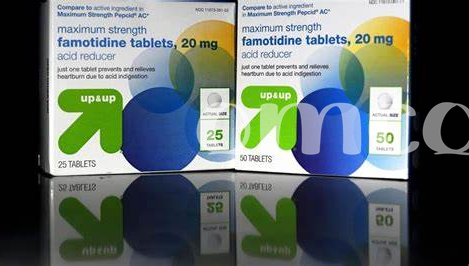
I started taking pepcid nightly during a rough reflux flare; relief came fast, but doubts about daily use crept in quietly and lingered.
Doctors say short courses are fine, but chronic use should involve periodic review, testing, and watching for rebound acid and nutrient issues.
Long-term pepcid may alter stomach acidity, modestly increase infection or nutrient deficiency risks; individual factors determine real significance so regular assessments help.
Before committing to daily treatment, consult your clinician — consider lowest effective dose, lifestyle changes, and periodic trials off medication to reassess regularly.
Interaction Risks: Mixing Pepcid with Other Medications
One evening a friend mixed several prescriptions and a stomach pill, then noticed a change in how the medicines felt. Unlike cimetidine, pepcid rarely interferes with many liver enzymes, but it still alters stomach acidity, which can change how some drugs are absorbed.
Antifungals, certain HIV medications, and iron supplements may need timing adjustments; atazanavir and ketoconazole lose effectiveness if gastric pH rises. Also, because famotidine is cleared by the kidneys, combining it with other renally cleared drugs or in kidney disease can raise levels and risk side effects.
Always tell your clinician and pharmacist every medicine and supplement you take; they can recommend safe timing, alternatives, or changes instead of stopping pepcid without guidance.
Effectiveness Compared: Pepcid Versus Antacids and Ppis

That first sharp pinch of reflux made me grab pepcid, an H2 blocker that lowers stomach acid over hours rather than instantly neutralizing it like antacids do for sustained relief.
PPIs, in contrast, take days to reach full effect but suppress acid more completely, making them preferable for chronic erosive conditions while pepcid remains often useful for milder, episodic symptoms.
Antacids act within minutes by neutralizing existing acid, ideal for sudden discomfort, but their effect wears off quickly and won’t heal underlying inflammation or damage.
In practice I learned to match treatment to the story: antacids for quick rescue, pepcid for nightly relief, and PPIs for persistent disease — always guided first by a clinician.
Side Effects: Minor Complaints or Serious Concerns?
After a restless night of reflux, many reach for pepcid expecting relief, and often find it. Common, mild reactions include headache, nausea, constipation or diarrhea. These usually resolve quickly without medical intervention and reassurance.
Serious reactions are uncommon but important: hives, swelling, breathlessness or severe rash demand immediate care. Long-term use can rarely alter liver tests or magnesium levels, producing weakness, cramps, or irregular heartbeat in susceptible patients sometimes.
If symptoms escalate or new neurological signs appear, stop treatment and seek evaluation. People with kidney disease, the elderly, or those on multiple drugs warrant monitoring. Your clinician can tailor dosing and check labs periodically.
For most, pepcid remains a safe, effective option when used as directed. Balance benefits against risks; report adverse effects promptly. Never combine or escalate doses without guidance, and keep an updated medication list for providers.
| Minor | Serious |
|---|---|
| headache | allergy |
Who Should Avoid Pepcid: Pregnancy and Medical Conditions
Many expectant people assume antacids are harmless, but pregnancy changes drug absorption and effects. The H2 blocker famotidine is sometimes used during pregnancy, but consult your clinician: they will balance benefits, trimester timing, dosing, and nonpharmacologic options like dietary changes and sleeping position. Avoid self-treatment that masks more serious issues.
People with reduced kidney function, significant liver disease, or a history of abnormal heart rhythms should seek medical advice before taking this medication. Interactions with other drugs — including some antifungals, antiretrovirals, and certain cardiac medications — can raise risks. Your pharmacist can review all prescriptions and supplements.
Children, breastfeeding parents, and those on immune suppressants may require alternative dosing. Pregnant people and anyone with complex medical conditions should prioritize individualized assessment over casual use; careful review prevents complications and helps pick the safest, most effective option for symptom relief.