

To Buy Ozempic Online Visit Our Pharmacy ↓
How Ozempic Actually Works: Glp-1 Explained
I met a patient who called Ozempic magic. In reality, its active ingredient mimics GLP-1, a gut hormone released after meals that fine-tunes blood sugar by boosting insulin when glucose is high.
GLP-1 also suppresses inappropriate glucagon secretion and slows gastric emptying, reducing post-meal spikes and prolonging satiety. Those combined effects lower weight and improve metabolic markers over time.
Its long-acting injectable form keeps levels steady, so dosing is weekly instead of daily. Benefits fade if treatment stops, because physiology resets without the mimic.
Understanding this mechanism explains why it’s not a pure shortcut: behavior, nutrition, and monitoring remain essential. When combined with lifestyle changes and medical oversight, GLP-1 therapy becomes a powerful, evidence-based tool.
| Action | Effect |
|---|---|
| Insulin secretion | Increases when glucose is high |
Myth: Ozempic Is a Simple Weight-loss Shortcut

Many picture a tiny pen delivering effortless transformation, but reality is more complex.
ozempic changes hormones that reduce appetite and slow gastric emptying, helping people eat less, yet it doesn't replace behavior change or a calorie deficit. Results vary between individuals.
Weight loss often requires sustained dietary adjustments, activity, and monitoring; stopping medication commonly leads to regain without ongoing habits. Insurance, cost, and access influence use.
Think of treatment as a tool that supports, not substitutes for, lifestyle work; realistic expectations and medical guidance matter. Set measurable goals with clinicians.
Myth: Ozempic Causes Permanent Appetite Destruction
After months on ozempic, Maria noticed her appetite dropped, but she didn't become permanently indifferent to food. GLP-1 agonists alter hunger signals and slow gastric emptying, producing strong pharmacologic appetite suppression that generally reverses when the drug is stopped. People also learn new habits and portion sizes, so behavior changes can persist even after medication ends.
Clinically, doctors warn that stopping medication without support often leads to appetite returning and weight regain, not irreversible loss of hunger. Long-term outcomes depend on continuing lifestyle strategies, medical follow-up, and realistic expectations. In short, ozempic can temporarily change how hungry you feel, but it doesn’t 'destroy' your body’s ability to want food—sustainable results require ongoing management. Patients benefit from counseling, gradual lifestyle shifts, and realistic timeframes; combining therapy with nutrition and exercise guidance significantly improves long-term appetite control and overall quality of life.
Fact: Side Effects, Risks, and Who Needs Monitoring
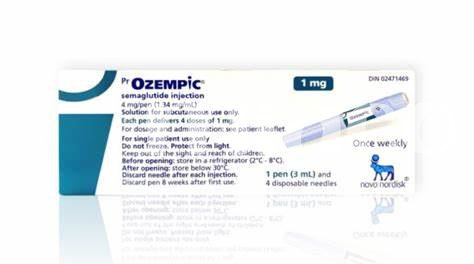
When someone starts ozempic, initial nausea or mild stomach upset can feel discouraging, but often eases after a few weeks of adjustment.
More serious risks — like pancreatitis, gallbladder issues, or rapid blood sugar changes — are rarer but often require prompt medical attention.
People with a history of thyroid cancer, severe gastrointestinal disease, or kidney impairment should be closely evaluated before and during therapy by specialists.
Regular checkups, lab tests for kidney and pancreas function, and communication about symptoms help balance benefits versus risks in everyday life with clinicians.
Misconception: Off-label Use and Cosmetic Expectations Clarified
Online anecdotes make ozempic sound like a cosmetic shortcut, but individual responses vary. Glamourized results ignore indications, dosing nuances, and the medical oversight required for safe off-label use and monitoring.
Physicians consider benefits, risks, and evidence before approving non-approved indications; cosmetic expectations should never drive prescribing. Conversations about goals, timeline, and alternatives form the backbone of responsible care and follow-up.
Real patients benefit most when therapy is integrated with diet, exercise, and regular monitoring; cosmetic improvements can happen, but sustainable change relies on comprehensive, evidence-based plans and honest expectations always.
Real-world Realities: Cost, Access, and Lifestyle Combos
Patients often find prescription cost and supply determine whether semaglutide helps in the long term. Brand name injectables can cost hundreds monthly without insurance, and shortages or prioritization for diabetes patients limit access for weight management. Prior authorizations and telehealth options partly ease barriers.
Combining medication with realistic lifestyle changes amplifies results: structured nutrition plans, regular physical activity, and behavioral therapy support sustainable weight change. Clinicians emphasize individualized goals and gradual habit shifts over dramatic short-term fixes to reduce rebound risk.
Affordability decisions should factor in monitoring needs and likely ongoing use; stopping often reverses gains. Ask providers about assistance programs and billing options, treating the drug as one tool within a broader health plan.