

To Buy Mobic Online Visit Our Pharmacy ↓

Typical Adult Dosing for Osteoarthritis and Rheumatoid Arthritis
Most adults begin meloxicam at 7.5 mg once daily to manage joint pain and stiffness. Physicians reassess symptom relief and tolerability after two to four weeks, considering a step up to 15 mg daily if needed. The aim is lowest effective dose.
For rheumatoid arthritis, treatment often requires sustained anti-inflammatory effect; many patients tolerate 15 mg daily for moderate disease activity, but individualized risk assessment is essential. Concurrent conditions and bleeding risk influence choice and duration.
Patients should take medication with food to reduce gastrointestinal upset, avoid alcohol, and review other NSAID or anticoagulant use. Regular follow-up includes blood pressure, renal function, and symptom tracking to balance benefit and safety. Check labs periodically as advised.
| Condition | Usual Starting Dose | Max Daily Dose |
|---|---|---|
| Osteoarthritis | 7.5 mg once daily | 15 mg |
| Rheumatoid arthritis | 7.5–15 mg once daily | 15 mg |
Adjusting Doses for Elderly and Renal Impairment
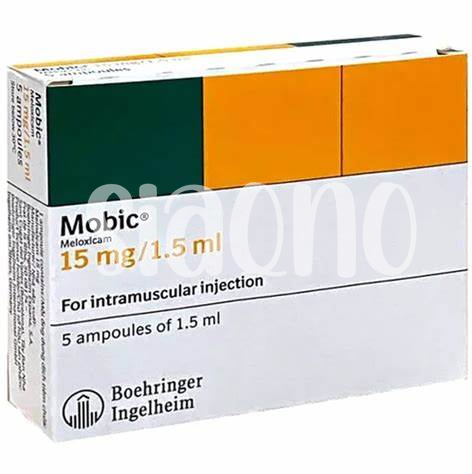
Many older adults tolerate pain differently; frailty, weight loss and multiple medications change how a drug behaves. Clinicians prescribing mobic often choose the lowest effective dose and increase cautiously, watching blood pressure, gastrointestinal symptoms and renal function. Regular review of concurrent drugs—especially anticoagulants, diuretics and ACE inhibitors—helps prevent avoidable harm. Shared decision-making, periodic lab checks and deprescribing when possible keep therapy safer for elders.
In patients with reduced kidney function the body clears NSAIDs less effectively, raising the risk of acute kidney injury and electrolyte disturbances. For moderate impairment, dose reduction and closer monitoring of creatinine and volume status are prudent; severe renal impairment usually prompts avoidance or referral to a specialist. Hydration, minimizing other nephrotoxins and considering non-NSAID alternatives reduce risk. Always individualize treatment and document rationale and follow-up plans. Communicate changes promptly to patients, caregivers, and primary clinicians.
Pediatric Dosing Guidelines: When Meloxicam Is Appropriate
Parents often ask when an adult pain medicine can be used for children, and clinicians weigh benefit against safety. Meloxicam (marketed as mobic) may be considered for juvenile idiopathic arthritis in children aged two and older at carefully calculated doses based on weight. Initial prescribing usually follows mg/kg recommendations and employs the lowest effective dose for the shortest necessary duration. Careful baseline assessment of liver and kidney function, plus monitoring for gastrointestinal symptoms and unusual bruising, is essential.
Families should receive clear guidance on dosing accuracy, avoiding adult tablets split without professional advice, and seeking prompt review if fever or bleeding occur. Long-term therapy requires periodic growth assessment, renal monitoring, and vaccination planning. Shared decision-making, using pediatric formulations when available, and consulting pediatric rheumatology for complex cases helps maximize benefit while minimizing harm. Care plans should be individualized and documented.
Short-term Versus Long-term Therapy: Balancing Risk and Reward

A patient reaches for a bottle of mobic after a sudden ankle sprain, savoring quick relief; short courses often restore function with minimal risk. For acute injuries, courses of a few days to two weeks are typical, minimizing cumulative exposure.
Long-term use, however, is a different story: chronic pain control can reduce flares but raises cardiovascular, gastrointestinal, and renal concerns that require weighing benefits against hazards. In select chronic conditions, low-dose maintenance may be justified when alternatives fail and monitoring is robust.
Clinicians should personalize duration—using the lowest effective dose, scheduled reassessment, and trial withdrawal—to limit exposure while achieving goals. Elderly patients and those with comorbidities deserve extra caution and more frequent blood tests.
Shared decision-making, documentation of rationale, and periodic monitoring (blood pressure, renal function, CBC) help navigate the trade-offs between symptom control and side-effect prevention. Plus patient education.
Interactions with Other Medications to Watch Closely
Taking mobic alongside blood thinners or other NSAIDs can unexpectedly increase bleeding risk, while combining it with steroids may raise ulcer and gastrointestinal complication chances—stay alert and consult prescribers promptly.
ACE inhibitors, diuretics, lithium, and methotrexate can interact with meloxicam, altering kidney function or drug levels; clinicians may recommend dose changes, extra lab tests, or alternative therapies to reduce harm.
Also be wary of combining with SSRIs or aspirin due to higher bleeding risk; herbal supplements and over-the-counter pain relievers should be disclosed, and abdominal pain or unusual bruising reported.
| Drug | Primary Concern |
|---|---|
| Anticoagulants | Increased bleeding |
| ACE inhibitors/Diuretics | Reduced kidney function |
| Lithium/Methotrexate | Elevated toxicity |
Practical Tips for Safe Use and Monitoring
When starting meloxicam, treat it like an ally against pain—follow the prescribed dose and take it with food to reduce stomach upset. Keep an up-to-date medication list and avoid alcohol to limit gastrointestinal and liver risk. Use the lowest effective dose for the shortest necessary time, and tell your clinician about heart disease, high blood pressure, kidney problems, or prior ulcers so they can tailor therapy or add protective measures.
Check in with your clinician within weeks of starting and periodically; simple tests—blood pressure, renal and liver tests, and CBC—help catch problems early. Watch for troubling signs such as severe stomach pain, black or tarry stools, unexplained bruising, swelling, chest pain, or shortness of breath and seek care promptly. Keep meloxicam away from children, don’t exceed prescribed doses, and review all other drugs with your pharmacist to avoid serious interactions.