

To Buy Methocarbamol Online Visit Our Pharmacy ↓

Alcohol and Methocarbamol: Amplified Sedation and Danger
I once took a prescribed muscle relaxant after a stressful evening and had a glass of wine; the comfortable buzz turned into heavy sedation, blurred thinking, and sudden imbalance that made standing feel unsafe indeed.
Combining alcohol with methocarbamol magnifies central nervous system depression: slowed reflexes, drowsiness, and impaired judgment escalate, increasing risk of falls, accidents, and poor decision-making even at lower doses than expected for many people unexpectedly too.
Worse, the combination can suppress breathing; slowed respiration raises carbon dioxide and lowers oxygen, a silent danger that may lead to respiratory failure, particularly in older adults and people with lung or sleep disorders seriously.
Practical takeaways:
| Risk | Action |
|---|---|
| Severe sedation | Stop alcohol, seek help |
| Breathing slowed | Call emergency services |
Opioids Combined with Methocarbamol Increase Respiratory Depression
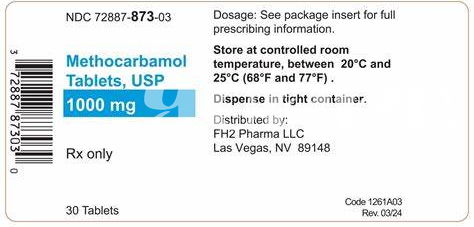
A late-night caller described heavy, slow breathing after mixing pain pills with a muscle relaxant; emergency crews emphasized it wasn’t just sleepiness but life-threatening suppression of breathing. When central nervous system depressants combine, they amplify each other’s effects: slowed heart rate, blunted reflexes, and dangerously reduced respiratory drive. Careful prescribing and honest patient disclosure can prevent tragedies—clinicians must ask about all medications, including over-the-counter and prescribed methocarbamol, before adding opioids.
Watch for slow, shallow breathing, pinpoint pupils, confusion, or inability to wake—these signal an overdose. If suspected, call emergency services and administer naloxone if available; it can reverse opioid effects but not the muscle relaxant, so airway support and monitoring remain crucial. Avoid combining central depressants, spacing even small doses, and asking clinicians about safer alternatives. Family members should learn naloxone use and keep emergency numbers handy to save lives.
Benzodiazepines, Antihistamines, and Other Cns Depressants Beware
Imagine waking groggy after a dose of medication meant to ease pain: combining certain sedatives with methocarbamol can deepen sleepiness, slow reactions, and blur thinking, turning relief into risk.
The additive depression of breathing and balance raises fall and accident potential; seniors and those with lung disease are especially vulnerable, so prescribers may lower doses or suggest alternatives.
Avoid alcohol and driving, report extreme drowsiness, confusion, or shallow breathing immediately, and always tell clinicians about all sedating drugs to keep interactions monitored and your treatment safe as needed by prescribers.
Common Drug Interactions and Unexpected Medication Pairings Explained

Walking home after a clinic visit, a patient wonders about mixing medications. Methocarbamol can interact with antidepressants and blood pressure drugs, altering sedation, blood levels, and liver enzymes, often unexpectedly.
A friend once doubled up on pills after a sleepless night; antibiotics, antacids, or antihypertensives can change methocarbamol effects. Clinicians watch for altered clearance and heightened side effects promptly too.
Before combining therapies, read labels and ask pharmacists. Over-the-counter cold remedies, opioids, or herbal supplements may escalate drowsiness or bleeding risk; report dizziness, breathing trouble, or confusion immediately for help.
Mechanisms: How Methocarbamol Affects Brain and Metabolism
At first, methocarbamol feels mysterious: it soothes spasms not by relaxing muscle directly but by dampening abnormal neuronal signals in the spinal cord and brain.
This central action produces sedation and can slow reflexes, making coordination and alertness worse, especially when other sedatives are present.
Metabolism occurs mainly in the liver; enzymes break it down and kidney excretion clears metabolites, so liver or renal disease can prolong effects and increase risk.
Practical note: interactions reflect both central nervous system depression and altered clearance; monitor symptoms and avoid combinations.
| Target | Outcome |
|---|---|
| Spinal cord signal dampening | Sedation, slowed reflexes |
| Hepatic metabolism | Prolonged effect in liver disease |
| Renal excretion | Metabolite clearance altered |
| Caution: additive sedation with alcohol, opioids | |
Practical Safety Tips: Dosing, Timing, Seek Help
Start by taking methocarbamol exactly as prescribed; stick to the lowest effective dose for the shortest time needed. Never split or double doses to catch up, and avoid using unprescribed extra tablets. If you have liver or kidney disease, diabetes, or are elderly, ask your clinician for dose adjustments.
Space methocarbamol from alcohol, opioids, benzodiazepines, and sedating antihistamines, as combining them amplifies drowsiness and breathing risk. Don't drive or operate machinery until you know how the drug affects you; effects can persist for several hours. When switching or adding medications, consult a pharmacist about safe intervals.
Contact medical help if you experience severe dizziness, breathing trouble, fainting, or confusion; bring medication details. For suspected overdose call emergency services or poison control immediately. Keep medications secure and dispose leftovers properly. Follow up with your prescriber in a week to reassess need.