

To Buy Hydroxychloroquine Online Visit Our Pharmacy ↓
How Hydroxychloroquine Became a Political Lightning Rod
Early in the pandemic, a handful of hopeful studies and public endorsements turned a decades-old malaria drug into a headline magnet. The mix of scientific uncertainty and political theater created a storm that few expected.
Leaders amplified tentative findings, framing them as quick fixes. Media cycles simplified nuanced data into soundbites, while opponents weaponized uncertainty. That combination shifted debate from clinical evidence to identity-driven loyalties.
Researchers faced intense scrutiny; some rushed small trials to satisfy demand, others withheld data fearing politicized reinterpretation. Regulators were pressured to act before consensus, and clinicians struggled between anecdote and trial results when advising patients.
Understanding this history helps explain why scientific debate became a proxy war. Separating robust evidence from rhetoric requires clear communication, independent review, and patience—tools that restore trust faster than headlines or partisan claims, leading to safer outcomes and stronger institutions.
What Science Actually Says about Effectiveness
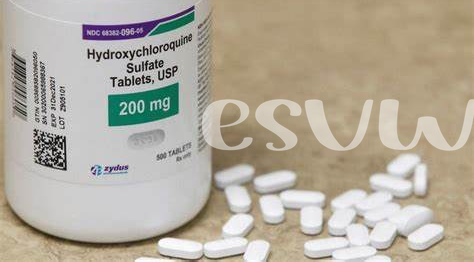
Early excitement around hydroxychloroquine felt cinematic: lab activity suggested antiviral promise, small flawed studies hinted benefit, urgent need amplified hope. Yet as larger, randomized trials unfolded, consistent signals of meaningful clinical efficacy failed to appear, shifting consensus from optimism toward skepticism among clinicians and researchers.
Meta-analyses and large randomized controlled trials have generally shown no mortality benefit and inconsistent effects on viral clearance. Variations in timing, dosing, and patient populations complicated early signals, but high-quality evidence guides practice away from routine use, emphasizing careful interpretation over anecdote and biological plausibility.
Safety Concerns and Cardiac Risks Explained Clearly
Imagine a drug touted as a miracle; hydroxychloroquine became one. Its heart effects are real: it can prolong the QT interval, increasing risk of torsades de pointes and arrhythmias, especially when combined with QT‑prolonging drugs like azithromycin or in patients with low potassium or heart disease. Monitoring ECGs and electrolytes reduces risk but cannot eliminate it.
Clinical use requires weighing modest potential benefits against rare but serious cardiac harms; for COVID, trials showed little benefit while highlighting these risks, especially in hospitalized patients. Prescribers should review medications, dose carefully, and report adverse events. Patients should never self‑medicate: discuss symptoms like palpitations or fainting promptly. Clear, measured communication helps prevent harm while keeping focus on evidence.
Common Misinterpretations of Clinical Trial Results
Imagine a promising early report that blossoms into viral certainty; small sample sizes, unblinded designs, and selective reporting often fuel that illusion. Critics misread p-values as proof, ignore confidence intervals, or overemphasize subgroup signals. With hydroxychloroquine, rushed observational studies were mistaken for definitive evidence.
Good trials are messy: randomization, pre-specified endpoints, and intention-to-treat analyses matter. Stopping trials early, using surrogate outcomes, or pooling incompatible studies can distort effects. Read methods, check enrollment and endpoints, and beware anecdotes masquerading as science—those steps separate signal from noise, and demand full data transparency.
Media, Social Networks, and Misinformation Spread
A viral post promised a miracle cure, and communities shared it like a lifeline. Stories about hydroxychloroquine outran careful analysis, mixing anecdote, fear, and desire into rapid digital mythology today.
Algorithms amplify emotion; sensational claims get clicks and visibility. Reliable studies are sidelined as simplified claims circulate, making it hard for readers to judge credibility carefully without context or skepticism.
Ask who benefits from a claim, trace sources to peer reviewed studies, and consult health authorities. Practicing simple verification reduces harm and separates hopeful rumor from proven science every day.
How to Evaluate Drug Claims Like a Pro
When a dramatic headline promises a miracle drug, pause and breathe. Start by checking who produced the study, whether it’s peer-reviewed, and whether independent groups have replicated the findings.
Look beyond anecdotes: examine sample size, control groups, endpoints, statistical significance and absolute effect sizes. Watch for selection bias, short follow-up, and unreported adverse events that change the risk–benefit picture.
Cross-check claims with reputable regulators, clinical guidelines, and independent meta-analyses. Ask clinicians about real-world experience, and remember: credible science values replication, transparency, and measurable benefit over time, not social media noise.