

To Buy Desyrel Online Visit Our Pharmacy ↓

Trazodone Sleep Aid or Misunderstood Antidepressant
I started taking trazodone after months of staring at the ceiling, curious and cautious about a pill that many friends called a 'sleep med.' My doctor explained that while it often helps people fall asleep, its roots are in mood treatment. That history matters: the drug's sedating qualities are a byproduct of its effects on serotonin pathways, not a primary design to serve as a nightly sedative for many people.
Clinically, lower doses are often prescribed to promote sleep while higher doses treat depressive symptoms, and studies show short-term benefit for insomnia but limited long-term data. Side effects can include daytime grogginess and blood-pressure changes; rare but serious reactions exist. Combining the medication with alcohol or other sedatives increases risk. A careful trial under medical supervision, with attention to dose, timing and co-prescribed drugs, helps balance sleep relief and safety.
| Use | Typical dose | Onset |
|---|---|---|
| Sleep aid | 25–150 mg | 30–90 minutes |
| Antidepressant | 150–300 mg | Weeks for mood effect |
Debunking Common Myths about Trazodone Safety
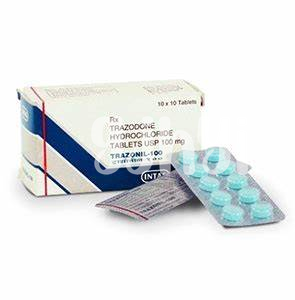
Once afraid of nightly prescriptions, many people assume desyrel causes dependency or catastrophic side effects. The truth is subtler: for most users it’s a well-tolerated antidepressant and sleep aid when prescribed appropriately, with risks that clinicians monitor and mitigate rather than inevitabilities that everyone experiences.
Studies show serious adverse events are uncommon and usually linked to dosage, interactions, or preexisting conditions. Open conversations with prescribers, careful dosing, and awareness about alcohol or other drugs reduce harm; personal stories matter but should be weighed against evidence to guide safe, individualized treatment.
What Science Really Says about Side Effects
A patient I know described early nights of dizziness that faded after weeks; such anecdotes mirror clinical patterns. Early side effects often remit within two to four weeks.
Large studies show common adverse effects like sedation and dry mouth are usually mild and dose-dependent, while serious events—rare but real—include priapism and cardiac conduction changes. Monitoring ECG may be warranted in at-risk patients.
Meta-analyses indicate antidepressant withdrawal is less prominent with trazodone than with some SSRIs, yet abrupt discontinuation can still cause rebound insomnia and mood symptoms. Long-term surveillance data remain somewhat limited though.
Clinicians balance benefits and risks by starting low, monitoring, and individualizing therapy; evidence supports desyrel role when chosen carefully and explained honestly.
Dosage Truths Nightly Use Versus Long Term

When people start using desyrel for sleep, many expect a simple nightly pill will fix insomnia. Low doses (often 25–100 mg) can help initiate sleep by blocking serotonin reuptake and antihistamine effects, but they differ from antidepressant regimens. Higher therapeutic doses for depression typically range from 150–300 mg daily, require gradual titration, and aim for sustained mood improvement rather than short-term sedation.
Long-term use carries different monitoring priorities: watch for daytime grogginess, orthostatic hypotension, and rare but serious risks like priapism. Tolerance to sedative effects may develop, prompting dose adjustments or alternative therapies guided by a clinician. Trazodone is not addictive in the classic sense, yet ongoing evaluation of benefits, side effects, and interactions (especially with alcohol or other sedatives) remains essential for safe, effective care. Periodic reassessment helps balance symptom relief against cumulative risks over months or years regularly.
Trazodone Interactions Medications Alcohol and Supplements
I started desyrel years ago and learned that mixing it with other prescriptions can surprise you. Combining with MAOIs, SSRIs, or certain pain drugs raises serotonin syndrome risk; mixing with benzodiazepines or alcohol increases dangerous drowsiness. Clinicians warn about these overlaps and recommend clear medication lists.
Herbal supplements like St. John's wort or tryptophan also interact; even over-the-counter cold medicines can matter. Always tell your prescriber about every supplement and drink habit so they can adjust treatment and monitor for symptoms — safe sleep shouldn’t compromise safety and reduce avoidable harm.
| Interaction | Effect |
|---|---|
| Alcohol | Increased sedation |
| MAOIs/SSRIs | Serotonin syndrome risk |
| St. John's wort | Reduced effectiveness or interaction |
Addressing Stigma Personal Stories Versus Data
When Anna described her trazodone prescription, neighbors assumed dependency or weakness; sharing her relief from insomnia and improved mood changed perceptions. Personal stories humanize experience but can amplify outliers: a vivid adverse reaction spreads faster than quiet, steady improvements. Stigma thrives on anecdote alone. Recognizing variability in response fosters empathy rather than judgment.
Clinical trials and meta-analyses show trazodone is generally effective for depression and off-label insomnia at low risk when monitored, with common side effects like drowsiness and dry mouth usually transient. Comparing narratives to data helps patients and clinicians weigh benefits, risks, and context. Honest conversation, paired with evidence, reduces stigma and supports informed choices and encourages regular follow-up to tailor treatment safely.