

To Buy Clonidine Online Visit Our Pharmacy ↓

How Clonidine Works to Promote Nighttime Sleep
Imagine lying awake while your mind races; a medication can blunt those signals and invite rest. Clonidine decreases sympathetic nervous activity by acting on specific brain receptors, calming arousal that fuels insomnia and nighttime awakenings.
It reduces release of norepinephrine and lowers heart rate and blood pressure during sleep, creating a quieter physiological backdrop. For people this produces easier sleep onset and fewer nocturnal microarousals, improving sleep continuity over time.
Timing matters: taken at bedtime or shortly before, the effect aligns with sleep drive and avoids daytime drowsiness. Individual sensitivity varies, so starting low and assessing benefits helps balance efficacy with tolerability and daytime function.
Clinicians pair its mechanism with behavioral strategies: calming routines, temperature control, and limiting stimulants potentiate the medication’s effect. Conversations about goals, risks, and monitoring foster safer, personalized use rather than one-size-fits-all prescribing with gradual follow-up.
| Action | Effect |
|---|---|
| Alpha-2 agonism | Reduces norepinephrine |
| Cardiovascular dampening | Lower heart rate/blood pressure |
Who Benefits and Who Should Avoid Clonidine

When sleeplessness feels like a wired switch that won't turn off, clonidine can sometimes dim the sympathetic noise. Clinicians commonly consider it for children with ADHD-related sleep-onset problems, for patients with hyperarousal or withdrawal-related insomnia, and when nightmares or night sweats are prominent.
Not everyone benefits. Avoidance is prudent for people with low blood pressure, slow heart rates, or certain heart conduction problems; those taking other sedatives, opioids, or alcohol face increased risk of dangerous drowsiness and hypotension. Pregnant or breastfeeding patients should consult their prescriber.
Shared decision-making matters: start low, monitor blood pressure and daytime alertness, and plan gradual tapering to avoid rebound symptoms. A personalized risk–benefit conversation is essential with your clinician today.
Proper Nighttime Dosing, Timing, and Tapering Advice
Nighttime dosing often begins low and slow, with many adults starting at 0.1 mg orally at bedtime; clinicians tailor increases based on response and blood pressure. Because clonidine lowers sympathetic tone, monitor for dizziness or excessive sleepiness after the first few nights, and check morning orthostatic vitals if you have cardiovascular risk. Avoid combining with other sedatives until effects are understood.
If stopping therapy, taper gradually to prevent rebound hypertension and agitation: a common approach reduces dose by half for one week then reassesses. Timing matters — take nightly doses 30–60 minutes before desired sleep to allow peak effect, but adjust if morning grogginess occurs. In children and older adults dosing and tapering should be supervised closely; discuss plan with a prescriber, report side effects promptly, and keep follow-up appointments as scheduled and review blood pressure at regular clinic visits.
Side Effects, Interactions, and Safety Considerations
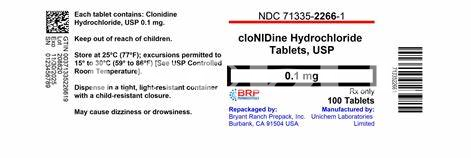
Many people notice drowsiness, dry mouth, or lightheadedness after starting clonidine; these effects often ease over days but can be troubling at first. Rarely, blood pressure can fall too low, causing fainting. Always tell your clinician about heart disease, pregnancy, or current medications to reduce risk.
Interactions with antihypertensives, sedatives, or alcohol can amplify sedative or hypotensive effects, so avoid mixing without advice. If stopping clonidine, gradual tapering is essential to prevent rebound hypertension and agitation; plan changes with your prescriber and monitor symptoms closely; seek urgent care if needed.
Comparing Clonidine with Other Sleep Medications
Anxiety-driven wakefulness responds differently to various agents, and clonidine’s sympathetic dampening can be particularly helpful for tinnitus, hyperarousal, or nightmare reduction. Compared with classic hypnotics it tends to avoid strong GABA-related side effects, and low doses often reduce sleep latency without producing profound next-day impairment. Clinicians consider patient age, cardiovascular history, and co-prescribed medications when choosing this as a nighttime option. Shared decision-making improves outcomes and adherence too.
When deciding among options, consider onset, duration, dependence risk, and comorbidity influence. Benzodiazepines and Z-drugs act faster and more powerfully but carry tolerance and withdrawal risks; melatonin is safe for circadian misalignment but less sedating for acute insomnia. Antihistamines are inexpensive yet often produce anticholinergic burden. Clonidine may suit sympathetic hyperarousal yet requires blood pressure monitoring and individualized risk–benefit assessment. Shared planning reduces harms and improves long-term sleep.
| Clonidine | Short |
| Melatonin | Short |
Practical Tips: Bedtime Routines Plus Clonidine Optimization
A calm, predictable evening ritual helps clonidine work best: dim lights, limited screens, and a consistent bedtime cue the brain for sleep. Pair medication timing with this routine so dosing precedes lights-out by thirty to sixty minutes, as directed by your clinician.
Limit caffeine and alcohol in the evening, keep bedroom cool and dark, and use relaxation techniques—deep breathing, progressive muscle relaxation—before taking clonidine for sleep.
Monitor daytime blood pressure and next-day drowsiness, avoid driving until effects are known, and coordinate dosing or tapering plans closely with your prescriber regularly.