

To Buy Cephalexin Online Visit Our Pharmacy ↓

Common Myths People Believe about Cephalexin
Many assume this antibiotic cures all infections overnight. I once saw someone stop other meds early. In truth, it targets specific bacteria and won’t help viral illnesses or resistant organisms.
Some believe allergic reactions are rare or predictable; however, reactions vary widely and can be serious. Never share prescriptions, and always tell clinicians about past rashes, hives, or breathing trouble.
Completing the prescribed course matters despite symptom improvement. Incorrect dosing breeds resistance and treatment failure. Consult a clinician for dose adjustments, especially for children, elderly, or people with kidney issues.
| Myth | Fact |
|---|---|
| Safe to share | Sharing risks allergies and wrong dosing |
| Cures viruses | Ineffective against viral infections |
How Cephalexin Actually Works to Treat Infections

In a stubborn skin infection, cephalexin steps in like a targeted repair crew, binding to bacterial enzymes that build the cell wall and halting construction. Without a sturdy wall the bacteria swell and burst, and the immune system completes the cleanup.
Clinically, it targets many gram-positive organisms such as staphylococci and streptococci, is well absorbed orally and reaches effective blood levels quickly. Physicians tailor dose and duration to the infection site and severity, while watching for allergic reactions and gastrointestinal upset to ensure safe, successful treatment and monitor kidney function.
Dosage Realities What Is Safe and Effective
People often imagine one standard pill solves every infection, but dosing depends on severity, age and kidney function. For many adults, typical cephalexin regimens range from 250–500 mg every six to twelve hours; higher doses may be prescribed for serious infections under clinician guidance and monitoring.
In children dosing is weight-based, commonly around 25–50 mg/kg per day divided into doses; clinicians adjust for renal impairment to avoid accumulation. Typical course lengths vary by infection — often five to ten days — and shorter or longer courses may be justified by culture results and testing.
Safety relies on following prescriptions precisely, reporting allergies, and informing providers about other drugs. If gastrointestinal upset occurs, taking doses with food can help. Never stop early or share antibiotics; finishing the prescribed course reduces resistance risk and improves chances of complete recovery and schedule follow-ups promptly.
Antibiotic Resistance Risks from Misuse and Overuse
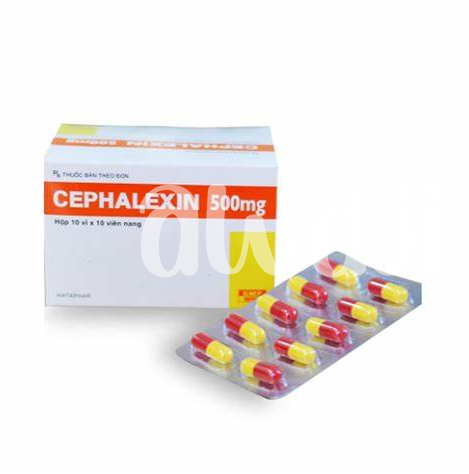
Imagine a small infection that won’t quit; you reach for cephalexin expecting a quick fix, but that choice echoes beyond your symptoms. Each unnecessary prescription nudges bacteria to adapt, creating strains that shrug off drugs and spread silently among communities.
Using antibiotics for viral illnesses, skipping doses, or saving pills for later all accelerate resistance. Clinicians see fewer effective options when standard treatments fail, leading to longer illnesses, costlier care, and higher complication risks.
The story is simple yet urgent: responsible use preserves cephalexin’s usefulness. Follow prescriptions exactly, avoid pressuring clinicians for antibiotics, and support stewardship programs to protect future patients. Small habits today keep powerful drugs effective for generations to come and save lives.
Side Effects Spectrum Common Issues and Rare Reactions
I felt wary when my doctor prescribed cephalexin, imagining dramatic reactions, but reality is gentler: most people experience mild stomach upset or rash that fades. Knowing what to watch for turns fear into preparedness, so you notice changes early and report them without panic.
Rare reactions like severe allergy or liver issues exist but are uncommon; seek urgent care for difficulty breathing, high fever, or jaundice. Discuss allergies, current meds, and pregnancy with your clinician to balance benefits and risks; careful monitoring minimizes harm and keeps treatment effective and recovery.
| Common | Rare |
|---|---|
| Nausea, diarrhea, rash | Anaphylaxis, liver injury |
When to Consult Doctors and Alternative Options
Don’t wait until discomfort becomes alarming; seek medical advice if redness, swelling or pain spread despite treatment, if fever develops or persists, or if breathing difficulties, hives, or swelling suggest an allergic reaction. Also consult your clinician for severe diarrhea, lightheadedness, jaundice, or symptoms that fail to improve within 48–72 hours. People who are pregnant, breastfeeding, elderly, or have kidney disease should check with a provider before taking cephalexin.
When antibiotics aren’t suitable, clinicians may order cultures and choose targeted agents or switch to alternatives such as doxycycline, clindamycin, or trimethoprim-sulfamethoxazole depending on susceptibility and allergies. For superficial wounds, topical antiseptics or mupirocin and proper wound care might suffice; abscesses often need drainage rather than prolonged oral therapy. Discuss side effect management, drug interactions and prevention of resistance with your provider so treatment is safe, effective and tailored to you.