

To Buy Atarax Online Visit Our Pharmacy ↓

Common Prescription Medications That Boost Atarax Sedation
I often tell patients that combining hydroxyzine with certain prescription drugs can deepen sedation and impair breathing. Benzodiazepines (for anxiety or insomnia), opioid analgesics, antipsychotics and many muscle relaxants add central nervous system depression. Tricyclic antidepressants and some anticonvulsants also increase drowsiness and cognitive slowing. These combinations raise risks of dangerous falls, slowed reaction time, confusion and, in severe cases, respiratory depression.
Always review all prescription medicines with your clinician and pharmacist before starting hydroxyzine. Dose adjustments, spacing doses, or choosing alternative therapies can reduce overlap. Watch for morning grogginess, impaired balance and difficulty concentrating; avoid driving until you know how combinations affect you. Seek immediate care if you experience extreme drowsiness, trouble breathing, or fainting. Clear communication and careful monitoring keep therapeutic benefits while minimizing dangerous additive sedation. Keep an updated drug list and show it to every prescriber.
| Drug class | Why it increases sedation |
|---|---|
| Benzodiazepines | Enhances CNS depression and drowsiness |
| Opioids | Added respiratory and sedative effects |
| Antipsychotics & muscle relaxants | Synergistic sedation and impaired coordination |
Over the Counter Medications Intensifying Atarax Effects

I once reached for a nighttime cold remedy and felt the room tilt, because the pill and my atarax combined unexpectedly. Many OTC sleep aids and allergy tablets contain diphenhydramine or doxylamine, which add sedative and anticholinergic burden and can magnify drowsiness, confusion and dry mouth.
Cough syrups with first-generation antihistamines or sedating ingredients, and some motion-sickness preparations, likewise increase risk. Even over-the-counter muscle relaxants or multi-symptom cold formulas can combine effects unpredictably, especially in older adults or when alcohol is present.
Check active ingredients, avoid mixing sedating OTCs with atarax, and start with the lowest effective dose if a clinician advises combined use. If daytime sleepiness, faintness, or blurred vision occur, stop the OTC and contact a healthcare professional. Keep a simple list of medications and OTCs and share it at every medical visit to prevent harmful overlaps too.
Herbal Supplements and Natural Products That Interact
Walking through a herb shop, people imagine gentle remedies, but some plants can amplify atarax drowsiness. Valerian, kava, and chamomile are sedative herbs that, when combined, may increase sleepiness and impair coordination.
St. John’s wort can alter liver enzymes, lowering or raising antihistamine levels unpredictably; ginseng and grapefruit extract also commonly influence metabolism and should be used cautiously. Even melatonin, although natural, can add to central nervous system depression.
Combining supplements that promote relaxation raises the risk of excessive sedation, falls, and slowed reaction time, especially in older adults. Overlapping effects may also complicate dosing and mask side effects.
Always tell your clinician about herbs and over-the-counter products, start low, go slow, and monitor response regularly. Lab tests or medication reviews can help identify dangerous interactions. Carry a current medication list and consult a pharmacist when starting new supplements too.
Dangerous Drug Combinations with Opioids and Benzodiazepines
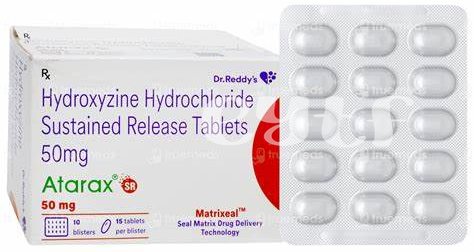
A quiet clinic visit turned urgent when a patient who combined atarax with prescribed opioids became profoundly drowsy; the scene illustrates how additive sedation can quickly become dangerous.
Both opioids and benzodiazepines depress the central nervous system; mixing either with antihistamines like atarax amplifies respiratory suppression, risking coma or death, especially in older adults with chronic lung disease.
Clinicians should review all prescriptions and ask about over-the-counter use; even a single sleeping pill or alcohol with atarax and opioids can be catastrophic often within hours.
Patients must be counseled to avoid combining depressant drugs, to carry a list of medications, and immediately seek urgent care for severe drowsiness, slow breathing, or difficulty waking any time.
Food and Lifestyle Factors That Modify Atarax
I once noticed a patient who took a simple antihistamine and complained of unexpected sleepiness after dinner; lifestyle choices often tip the balance. Small decisions — a glass of wine, late coffee, or skipping meals — can change how atarax feels.
Alcohol and other central nervous system depressants amplify drowsiness and impair coordination, while stimulants like caffeine may mask sedative effects. Heavy, fatty meals can alter absorption and tobacco smoking might reduce effectiveness by speeding metabolism.
Plan dosing with meals, avoid alcohol and driving until you know your response, limit late-day stimulants, and tell providers about herbal supplements and smoking. If worries arise, seek medical advice before changing therapy or combining substances for safety reasons.
| Factor | Potential effect |
|---|---|
| Alcohol | Increased sedation and risk of impairment |
| Caffeine | May reduce perceived sedation |
| Heavy meals | Altered absorption and onset |
| Smoking | Possible reduced drug levels |
Managing Interactions: Tips for Safe Use and Monitoring
Talk openly with your prescriber and pharmacist about every medication, supplement and OTC product you use; bring an up-to-date list to appointments. Start at the lowest effective dose and avoid alcohol or other sedatives until you know how you respond. Watch for dizziness, slowed breathing and impaired coordination.
Use caution when combining with opioids or benzodiazepines; if such combinations are unavoidable, arrange close monitoring and emergency plans. Consider a medical alert card, avoid driving if drowsy, and promptly report any confusion, falls or breathing problems immediately to your healthcare provider.